rubber-to-metal-bonding
Reliable Solutions for Complex Rubber-to-Metal Bonding Applications
Are you dealing with challenging rubber-to-metal bonding requirements? We can help. Our extensive experience in materials engineering and custom manufacturing has enabled us to deliver high-performance rubber-to-metal bonded components for demanding applications worldwide. This is particularly important in environments where durability, reliability, and long service life are critical.
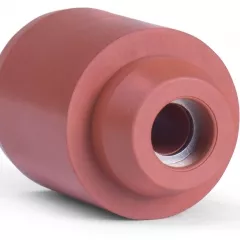
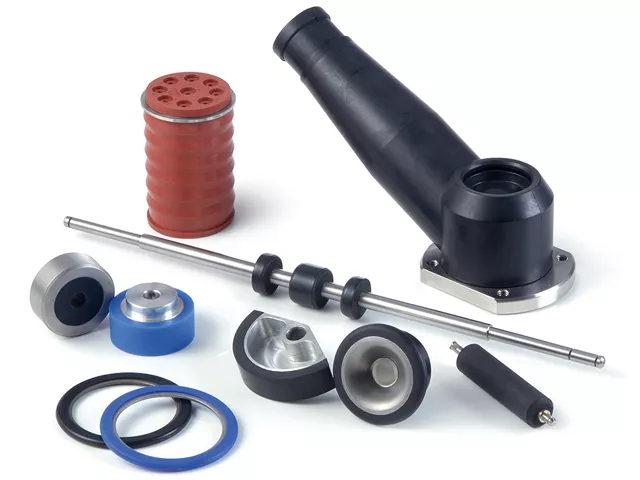
One example is our involvement in advanced paper handling systems within the printing industry. We manufacture bonded rubber rollers, drive wheels, and bobbins using specially formulated material compounds designed to provide the precise grip and traction required for moving paper through high-speed printing processes.
Precision In-Mold Bonding Expertise
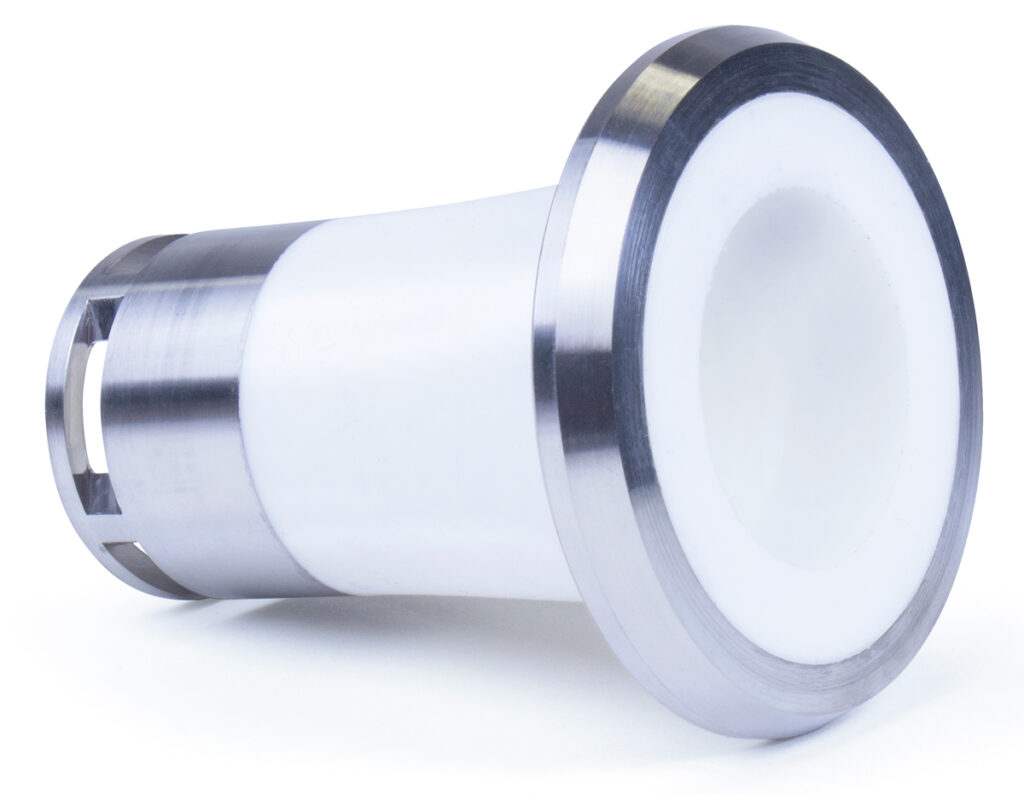
DP Seals supports customers across a broad range of industries and manufactures many different types of bonded rubber components. We were among the first companies to successfully bond Optimized HNBR to stainless steel, demonstrating our advanced material knowledge and molding capabilities.
When working with DP Seals, customers benefit from decades of experience in precision in-tool bonding and rubber molding technology.
Rubber Bonding Case Studies and News
- Hope Technology
- The Domino Effect
- DP Seals Supplies Bonded Seals for Ocean-Going Mini Subs
What Is Rubber-to-Metal Bonding?
Rubber-to-metal bonding is a manufacturing process where rubber is permanently bonded to a metal substrate during molding. The process involves several highly controlled stages, each of which is essential to achieving a strong and durable bond. DP Seals specializes in delivering reliable bonding solutions for technically demanding applications.
Why Use Rubber-to-Metal Bonding?
Rubber-to-metal bonding offers several important advantages, including:
- Combining the flexibility of rubber with the structural strength of metal
- Reducing multiple components into a single integrated assembly
- Creating stronger and more reliable bonds than traditional adhesive methods
- Improving vibration dampening and noise reduction
- Providing sealing performance against seawater, boiling water, and aggressive chemicals or solvents
The Rubber Bonding Process
The manufacturing process typically includes:
- Component design and geometry review
- Surface preparation to maximize bond strength
- Application of primers and bonding agents
- Compression or injection molding
- Prototype and production testing to verify quality and performance
Learn more about our 5-Step Rubber-to-Metal Bonding Process.
What Metals Can Be Bonded to Rubber?
Thanks to advances in rubber bonding technology and material science, nearly any metal can now be bonded to rubber. However, selecting the correct metal and elastomer combination is essential, as different metals and rubber compounds react differently depending on the application and operating environment.
DP Seals has extensive experience bonding a wide range of elastomers — including neoprene, HNBR, and silicone — to materials such as stainless steel, aluminum, nickel, plated metals, and specialty alloys.
If you are unsure which materials are best suited to your application, our team will be happy to provide technical advice and recommendations.
Our Tool Room Control Hub is the nerve centre linking all our CNC machinery, tooling design and production.